Championing
Women At Work
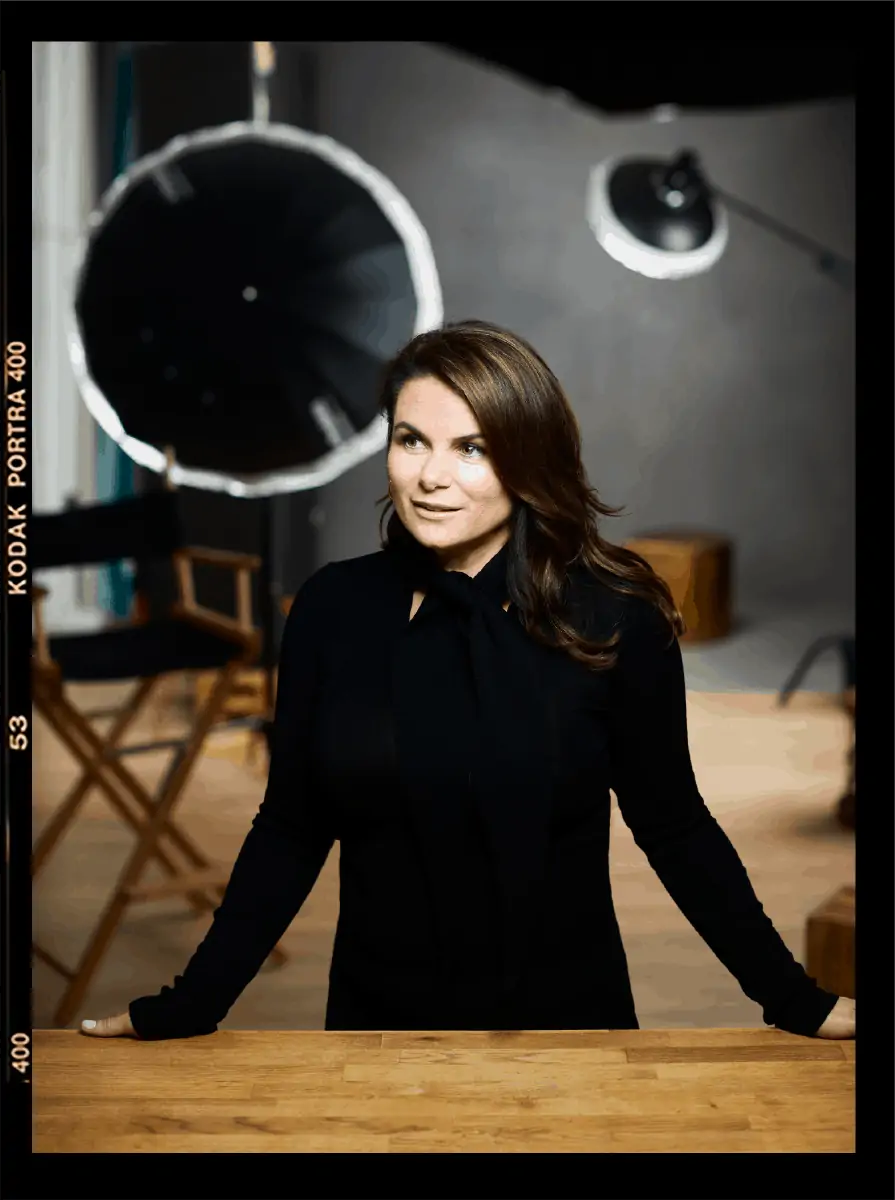
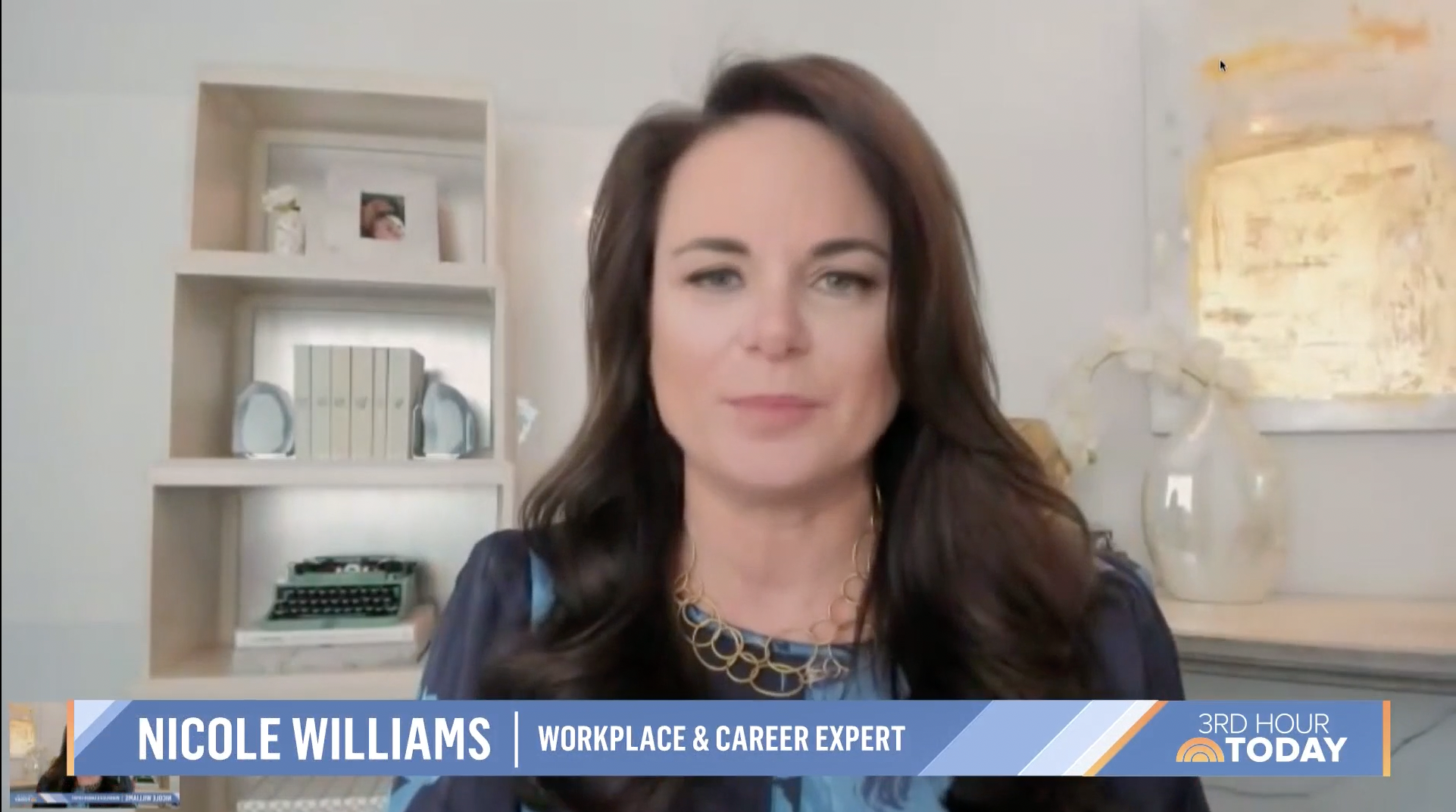
Before there were coaches, communities, and blogs on career advice, Nicole Williams was consulting with some of the world’s most influential companies on how to attract and retain female talent.
Today WORKS by Nicole Williams is a leading brand of its own — a career management agency helping women go further faster than they could on their own. Utilizing an agile approach to careers, Nicole coaches and connects professional women who want to increase their profile and reach their full intellectual, creative, and earning potential.
TRANSFORMING LIVES THROUGH WORK
Nicole offers an alternative to the
dated and general career advice — one
that delivers on the oft unfulfilled promise
of women supporting women.

It’s Not Your Career, It’s Your Life
In this post-pandemic world the lines between the personal and the professional have become increasingly blurred, making the playing field more challenging for both employers and employees.
Nicole’s innovative approach supports companies and employees to embrace new, flexible work models and cultivate a workforce that is encouraged to design their own careers.
MEDIA CONTRIBUTOR
-

5 Ways Mentoring Can
Help Your Career -

How Job Seekers Can Say ‘Look At Me’ To Online Recruiters
-

Your Childhood Dream Job Has A Lot To Do With Your Current Success
-

Tips For Finding, Reigniting, and Building Inspiration
-

Book Release: Girl on Top
-

Do You Deserve More? 7 Tips For Negotiating A Raise
-

In Pictures: Best 10 Career Sites For Women
-

The Art Of Online Portraiture
-
Simple Ways To Appear Successful, Smart In Life And Work
-

Top Job Tips And Tricks








“Nicole Williams takes a
lighthearted approach to showing
us how to find (refind?) and keep the
professions of our dreams.”
Elle
THE JOURNEY
-
1997
Director of Career and
Technology, CNIBFulfilling a need for visually-impaired
Canadians, Nicole created an accessible
career development program, which
would later go on to be audited by the
federal government and offered across
the country.
-
2004
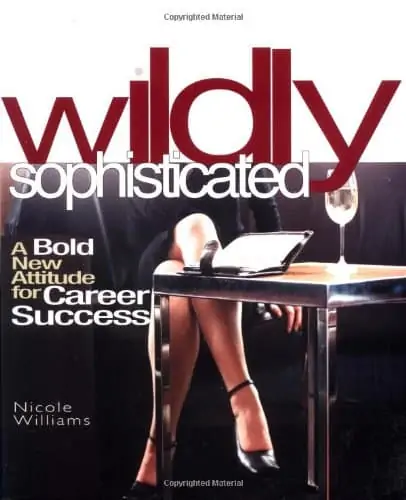
Published first
bestselling bookWith a record-breaking book deal,
Wildly Sophisticated was released
as the modern day working guide
for women, kicking off three
bestselling books authored by
Nicole in under five years.
-
2006
Launched WORKS by
Nicole WilliamsAfter moving to NYC, Nicole received
a multi-million dollar investment,
allowing WORKS to expand from
coaching and workshops to a
provocative and trusted multi-channel
platform for women at work.
-
2009
Multi-city tour
in partnership
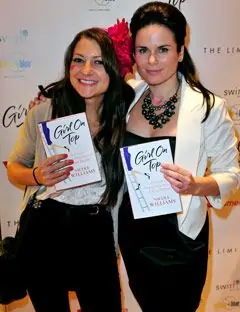
with The LimitedUsing the Girl On Top book launch as
an opportunity to attract hundreds of
influential women across the country,
Nicole stewarded a 15-city, 17-event
tour that exposed new customers to
The Limited brand and established
their clothing line as the go-to for
professional attire.
-
2011
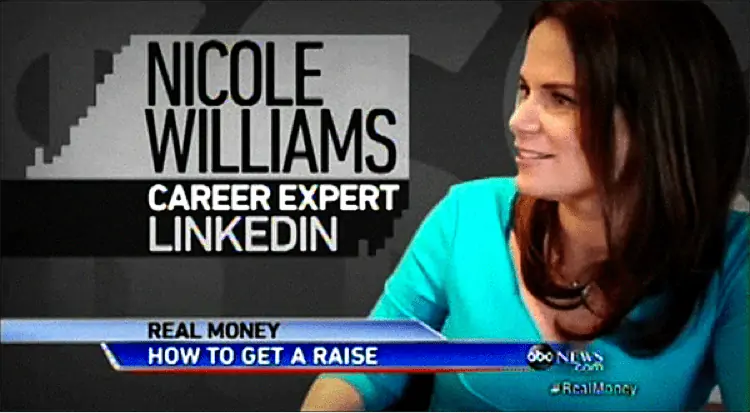
Named LinkedIn’s
Official Career ExpertNicole was recruited to represent LinkedIn
in consumer-facing media and head up
internal and branded career content,
solidifying LinkedIn’s position as the
leading resource for all matters career.
-
2020
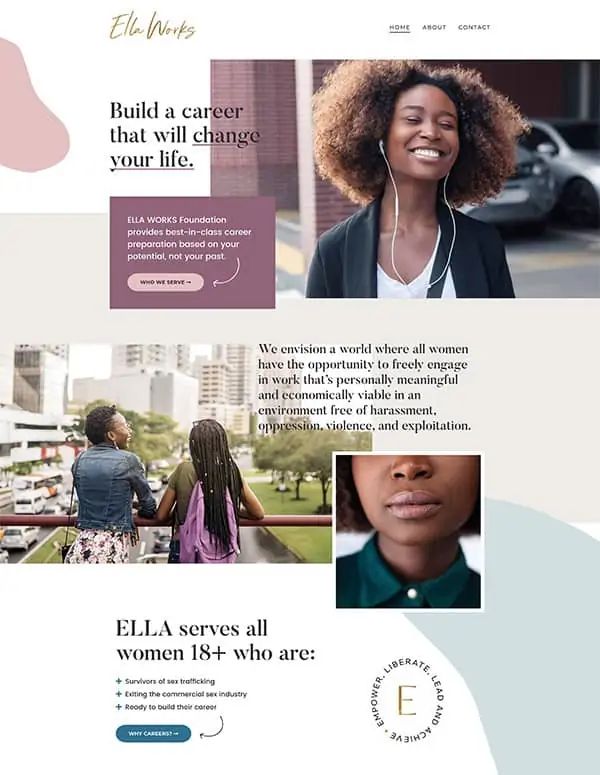
Founded ELLA
WORKS FoundationRecognizing the gender and
structural dynamics that influence a
woman’s potential, Nicole launched
the ELLA WORKS Foundation, giving
back to a community of women
who have been overlooked and
underserved in their personal
development and career preparation.

PAST CLIENTS




Current Projects
ELLA WORKS Foundation
Founded in 2020, ELLA WORKS is a career development and mentorship program assisting trafficking survivors and women transitioning from the commercial sex industry.
WORKS 2.0
Your network is your net worth. So why is traditional networking so painful? Part playbook, part secret society, this platform will help you to thrive in your career and life.
Get In Touch
Speaking + Partnerships + Consulting