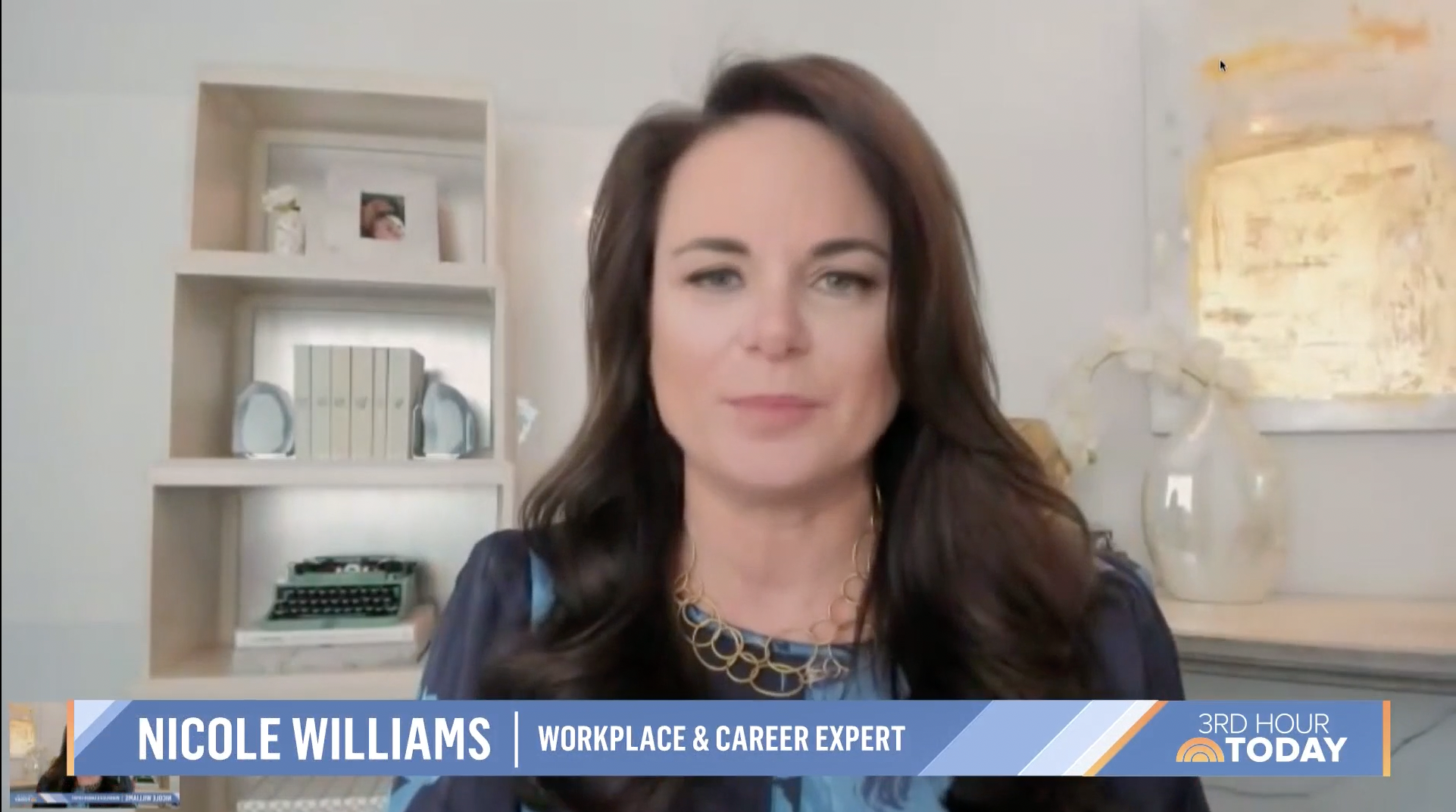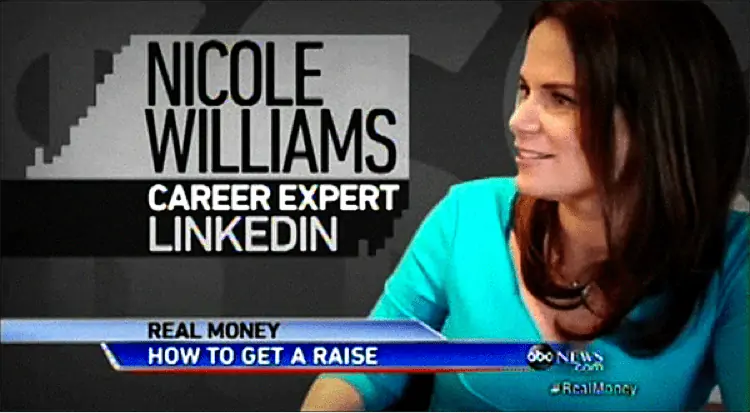

From wardrobe malfunctions to mistaken identities, most of us have had a job interview go awry at some point in our careers. We asked WORKS readers to confess their most horrifying (and humorous) interview experiences. Then, Nicole shares her insight on how to make sure you never find yourself unprepared, uncomfortable, or, um, undressed on a job interview ever again.
What Happened: “I interviewed for an office-manager position at a small advertising agency. My first interview with the human-resources director went
swimmingly. But I was startlingly unprepared for my next interview with the chief financial officer. Let’s just call her “The Dragon,” a real fire-breather. She scowled at me while she drilled holes in my résumé: She didn’t like my varied job experiences or even my fonts. I was sinking fast, imagining myself running for the door, until she asked, “Have you ever finished anything?!” The sneering tone was too much; she’d crossed the line. I no longer cared if I got the job, my dignity was now at stake. I defended myself, and three more interviews later, I got the job. “The Dragon” turned out to not be so bad. We developed a friendly and productive work relationship over the years I worked with the company.”
~Taylor
In the Moment: Expect it. You are going to meet fire-breathers in the interviewing process. In fact, many companies purposely put you in front of this type to assess how you respond to pressure. Breathe deeply and remain calm and composed. They are looking more for your composure than your specific answers. Do you really think she cares why you chose those fonts?
Next Time: Prepare for the hard questions. You should expect your résumé to be dissected; it’s all they’ve got to go on before meeting you. A change in industry, yearly job hopping, a gap year—these are all things that are going to raise eyebrows. Create and practice very well-composed and, even more importantly, non-defensive responses. Before you start the interviewing process, ask someone to look really critically at your résumé with fresh “potential employer” eyes and have them point out all the issues they would have.
What Happened: “Once during an interview I decided to wear a skirt that was too big at the waist. To prevent it from slipping down and showing my underwear/slip, I put safety pins on it. During my interview with the head of HR, one of the safety pins managed to pop off my body and fly onto the table right in front of her. She proceeded to play with it like it had been there all along and I said nothing and just tried not to turn red.”
~Rachel
In the Moment: Everyone is human. If something goes embarrassingly awry in an interview, laugh (not a hysterical, crazy kinda laugh…just a chuckle).
Next Time: The wrong (uncomfortable, too sexy, not industry-appropriate) clothes are not only a distraction to you but the interviewer. You really do only have one chance to make a first impression, and the person on the other side of the desk only has a short period of time to make an assessment. Your pinned skirt, scuffed shoes, and overflowing bag all communicate a lack of preparation and even respect. Before an interview, select a great outfit—one that makes you feel both confident and comfortable—and, most importantly, TRY IT ON. Make sure your outfit (shoes and bag included) is clean, fits you properly, and is industry-appropriate. I believe in a great, well-cut suit for interviews.
What Happened: “During college I interviewed at a résumé-writing service. I was a little surprised when I showed up at a run-down apartment building for my interview (this was a much smaller operation than I expected). The owner was very apologetic about having me interview in her messy apartment and proceeded to tell me how she had just moved to the housing projects after a long and painful divorce. She never asked me any questions except for “When can you start?” It was a few days before winter break, so I explained that I would be out of town for a few weeks and would call her when I returned. “Everyone leaves me,” she wailed, already sensing that I wouldn’t be working for her. I felt so guilty that I almost accepted the job, but my roommate persuaded me to keep looking.”
~Susan
In the Moment: Run for the hills. Not only is an interview an opportunity for you to be on your best behavior, but the interviewer should be as well. If your interviewer is evidently crazy, treats her staff like shit, or doesn’t convey respect, don’t hesitate to get the hell out. This is the courting stage; it’s only going to go downhill from here.
Next Time: I’m not going to tell you to stay away from the home-based interview¬—I really believe in the “you just never know” philosophy. Google’s founders started their business in a dorm room. Take any and all interviews (practice makes perfect), but if there is evidently no fit, don’t waste your time or theirs with a second interview—and certainly don’t take the job.
What Happened: “My landlord set me up with an interview for what I thought was a job researching and writing for a reality TV show. So, I drive out to what looks like an industrial wasteland, find the building, walk in, and…there’s no one there. I finally stumble across a suite of editing bays. The nice young men there directed me to the office, where I found my prospective employer. He was a reality TV producer whose name you would know. And I was a person who does not watch reality television. The first thing he asked me was what I thought of his show. I am an excellent improviser, and that question passed without too much comment. Then I was asked how much editing experience I had. “Ten years,” was my reply. Everyone perked up at that. And then the job was explained to me: I’d be taking video clips and culling them to be used in another reality show. “I don’t have a lot of experience actually…editing… film,” I said (I’d worked in publishing). The interview went downhill after that. They couldn’t quite understand what I was doing there. I didn’t either, and shortly thereafter I was back in my car, driving home.”
~Katherine
In the Moment: It shouldn’t, but it happens. You’re thinking one thing (copy editing), they’re thinking another (film editing). What you need to remember in this kind of situation is that small and even larger companies often have a ton of needs and very loose job descriptions. The other thing you can do in the moment—ask questions. Do they have transcripts that need editing? Is there any way your skills do fit into the company? Even if they don’t, the majority of jobs are found via relationships. Help them to understand what you do, and later that night when they’re having dinner with their agent and she’s complaining that she needs an editor on a new book she’s working on, you’ll come to mind.
Next Time: Get as much information as possible before the interview. Know the business and be familiar with their products—it’s not unusual to be asked “What do you think?” And don’t get fooled by this question. If the product is shit, they know it and they want you to know it as well. Answer honestly, focusing on the positive, but be wary of giving false praise.
What Happened: “As I was driving to the interview, I realized the directions were vague. I’m good at finding my way and presumed getting there would be easy, but as the minutes ticked by and I was getting increasingly lost, I panicked. I called the recruiter, who tried her best to help me. Thing was, she was the one who originally provided the lousy directions and was little help. I was embarrassingly late. It was a Friday afternoon and the interviewer and his staff had already broken out the beer in celebration of project completion. I accepted the beer that was offered to me and nervously tipped the bottle for one congratulatory sip. What else could I do? The interview lasted only a few minutes. Needless to say, I was not offered the job.”
~Jen
In the Moment: There’s a point of lateness (any time after 20 minutes) when you call and offer to reschedule. You can’t presume that they’re sitting around waiting for you.
Next Time: Lateness is one of my biggest pet peeves, and in the majority of cases (excluding car crash, heart attack, or family emergency) is unacceptable and preventable. Mapquest the directions and do a trial run. Even after these two steps, leave 10 minutes earlier than you think is necessary.